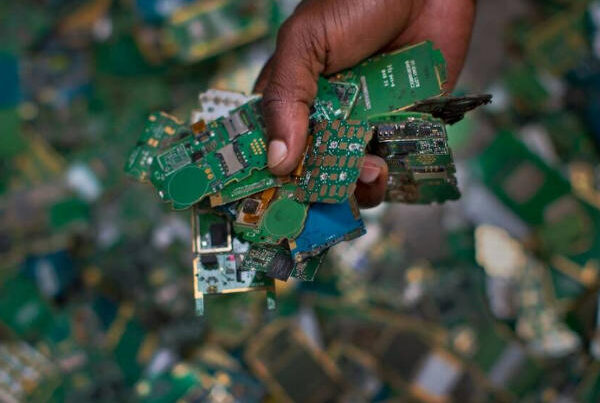

With the rapid growth of new energy technologies, intelligent manufacturing, electronic information industries, and green industrial systems, magnetic materials have become increasingly important in modern industrial applications. From electric motors and wind power generation to consumer electronics, dispositifs médicaux, and automation systems, magnets play an indispensable role.
Cependant, traditional magnetic materials are also facing growing challenges related to resource consumption, environmental impact, and long-term sustainability. Against the global backdrop of carbon neutrality and sustainable development, environmentally friendly and sustainable magnetic materials are emerging as a key direction for the future of the industry.
1. The Essential Role of Magnets in Modern Industry
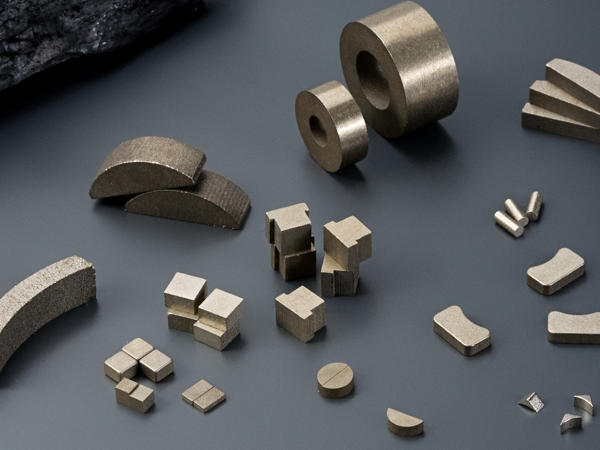
Magnets are functional materials capable of generating stable magnetic fields and are widely used in energy conversion, motion control, and signal transmission. Parmi eux, permanent magnets are particularly valued because they maintain magnetic performance without continuous energy input, significantly improving overall energy efficiency.
In electric motor systems, le performance of magnetic materials directly affects power density, efficiency, and reliability. In the renewable energy sector, éoliennes, photovoltaic inverters, and energy storage systems all rely heavily on stable and efficient magnetic components. As a result, magnets have become one of the foundational materials supporting modern industrial and technological development.
2. Environmental Challenges of Traditional Magnetic Materials
Despite their broad applications, conventional magnetic materials present several environmental concerns throughout their lifecycle, mainly including the following aspects:
2.1 High Dependence on Rare Earth Resources
Aimants permanents hautes performances, such as neodymium-iron-boron (Ndfeb), depend heavily on rare earth elements like neodymium and dysprosium. The extraction and processing of rare earth resources are often associated with high energy consumption and environmental pollution.
2.2 Energy-Intensive Manufacturing Processes
The production of traditional magnetic materials typically involves high-temperature processes such as smelting, sintering, and heat treatment. These processes consume significant amounts of energy and may generate dust, wastewater, and exhaust emissions.
2.3 Limited Recycling and Reuse
Many magnets are difficult to recycle efficiently after the end of product life cycles. As a result, valuable materials are often discarded, leading to resource waste and increased environmental pressure.
These challenges have driven the magnetic materials industry to rethink traditional development models and actively explore more sustainable solutions.
3. Development Directions of Environmentally Sustainable Magnetic Materials
3.1 Reducing Rare Earth Content and Exploring Alternative Materials
Reducing reliance on rare earth elements is one of the most important strategies for achieving sustainability in magnetic materials. Through optimized material compositions and advanced microstructural design, researchers aim to maintain magnetic performance while minimizing the use of critical rare earth elements.
En même temps, non-rare-earth magnetic materials such as ferrite magnets and aluminum-nickel-cobalt (Alnico) magnets are continuously being improved. These materials offer advantages such as abundant raw resources, lower cost, and reduced environmental impact, making them viable alternatives for specific applications.
3.2 Advancing Magnet Recycling and Circular Utilization
Improving magnet recycling technologies is essential for building a circular economy within the magnetic materials industry. Au cours des dernières années, growing efforts have focused on recovering permanent magnets from end-of-life motors, dispositifs électroniques, et équipements industriels.
Through physical separation, chemical extraction, or re-sintering processes, recycled magnetic materials can regain usable magnetic properties. Effective recycling systems not only reduce raw material costs but also significantly lower the environmental burden caused by resource extraction.
3.3 Promoting Green Manufacturing and Low-Carbon Production
On the manufacturing side, magnetic material producers are increasingly adopting environmentally friendly and energy-efficient production methods, tel que:
Optimizing sintering and heat treatment processes to reduce energy consumption
Using clean or renewable energy sources in production
Improving powder utilization rates to minimize material waste
By implementing green manufacturing systems, the carbon footprint and environmental impact of magnet production can be significantly reduced.
3.4 Enhancing Performance to Improve Overall Energy Efficiency
Improving the performance of magnetic materials itself is another important pathway toward sustainability. High-performance magnets enable devices to deliver higher output with smaller size and lower material consumption, resulting in reduced energy usage at the system level.
Par exemple, high-energy-product permanent magnets can substantially increase motor efficiency and reduce operational energy losses, contributing to energy savings and emission reductions throughout the equipment lifecycle.
4. Impact of Sustainable Magnetic Materials on Downstream Industries
The development of environmentally sustainable magnetic materials not only represents progress within the materials industry but also brings substantial benefits to downstream sectors, including:
Renewable Energy: Higher efficiency in power generation and energy conversion systems
Electric Transportation: More efficient drive systems and extended vehicle range
Industrial Automation: Improved operational stability and reduced energy consumption
Consumer Electronics: Support for lightweight design and eco-friendly products
From a supply chain perspective, sustainable magnetic materials are becoming a critical foundation for high-quality, green manufacturing.
5. Future Outlook and Industry Trends
Regarder vers l'avenir, the development of magnets and magnetic materials will increasingly focus on balancing performance, environmental responsibility, and cost efficiency. Continuous innovation in material science and processing technologies will help overcome traditional limitations, while policy guidance and market demand will accelerate the adoption of sustainable magnetic solutions.
As recycling technologies mature, green manufacturing practices become more widespread, and alternative materials continue to improve, environmentally sustainable magnetic materials are expected to play a more prominent role in global manufacturing systems, supporting the transition toward a low-carbon and resource-efficient economy.
Although magnets may seem small, they connect some of the most critical elements of modern energy, industrie, and technology. As sustainability becomes a global priority, le magnetic materials industry stands at a pivotal moment of transformation.
Through material innovation, green manufacturing, and circular utilization, magnets will continue to drive industrial progress while contributing more actively to environmental protection and sustainable development.