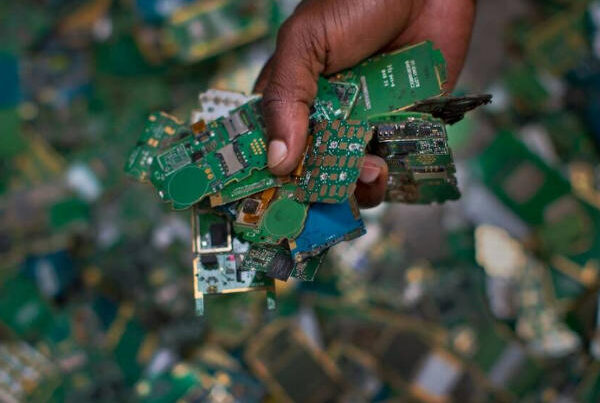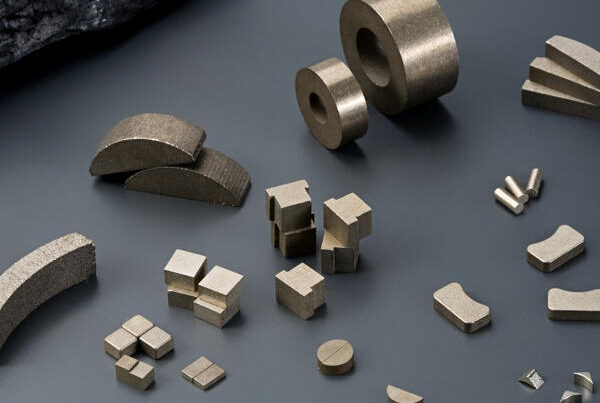

Iron-based nanocrystalline alloys are widely used in power transformers, inductors, smart sensors, and high-frequency electronic devices due to their excellent magnetic properties, high saturation magnetic flux density, and low core losses. However, during long-term operation, iron-based nanocrystalline materials are susceptible to environmental conditions, mechanical stress, and temperature fluctuations, which can lead to performance degradation. Therefore, improving the stability and durability of iron-based nanocrystalline alloys is critical for achieving long-term, high-efficiency performance.
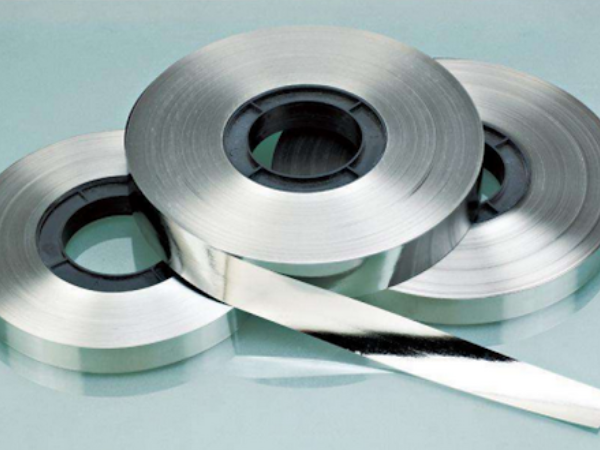
1. Relationship Between Nanocrystalline Structure and Stability
Iron-based nanocrystalline materials typically consist of nanoscale grains embedded in an amorphous matrix, with grain sizes generally ranging from 10 to 20 nanometers. While the high surface energy and dense grain boundary structure contribute to excellent magnetic performance, they also make the material more prone to grain boundary migration, oxidation, and impurity phase precipitation under high-temperature or corrosive environments, thereby reducing stability. Understanding the relationship between nanocrystalline structure and material performance is therefore the foundation for enhancing stability.
2. Optimization of Alloy Composition
Alloy design is one of the most effective approaches to improving the durability of iron-based nanocrystalline materials. Common strategies include:
- Addition of rare earth elements such as neodymium (Nd) and lanthanum (La), which can significantly inhibit grain boundary migration and enhance high-temperature stability.
- Controlled addition of transition metals such as molybdenum (Mo), niobium (Nb), and vanadium (V), which strengthen grain boundaries and improve resistance to stress-induced corrosion.
- Adjustment of boron and silicon content,where optimized B and Si ratios enhance the stability of the amorphous matrix, slow down grain growth, and help maintain magnetic properties.
Experimental studies indicate that through alloy composition optimization, the retention rate of saturation magnetic flux density can be improved by approximately 5–10% after high-temperature annealing or prolonged service.
3. Optimization of Heat Treatment Processes
Heat treatment is the key process for forming the nanocrystalline microstructure and has a direct impact on material stability and durability. Effective approaches include:
- Amorphous precursor treatment, in which rapid quenching is used to form an amorphous structure, effectively preventing excessive initial grain growth.
- Precise annealing control, where annealing temperature and time are carefully regulated to promote controlled precipitation of nanocrystals from the amorphous matrix without excessive grain coarsening. Typically, the annealing temperature is maintained 20–50°C above the initial crystallization temperature (Tₓ) but below the peak crystallization temperature (Tₚ).
- Multi-stage annealing, involving low-temperature annealing to stabilize nanocrystals followed by short-duration high-temperature annealing to optimize grain boundaries, relieve internal stress, and enhance durability.
Optimized heat treatment not only improves magnetic performance but also significantly increases resistance to thermal and mechanical stresses.
4. Surface Protection and Environmental Resistance
In practical applications, iron-based nanocrystalline materials are often exposed to humidity, oxygen, acidic or alkaline environments, and elevated temperatures, all of which can cause surface oxidation or corrosion and reduce service life. Common improvement methods include:
- Surface coatings, such as epoxy resin, polyimide, or aluminum oxide thin films, which effectively block oxygen and moisture and enhance corrosion resistance.
- Surface passivation, where chemical or electrochemical treatments form dense passivation layers that reduce oxidation rates at grain boundaries.
- Environmental control, including regulation of temperature and humidity during storage and operation to prevent excessive moisture and extreme thermal conditions.
Scientific studies show that with appropriate surface protection, the magnetic performance stability of iron-based nanocrystalline materials can be improved by 15–20%, and service life in high-humidity or acidic environments can be extended severalfold.
5. Control of Mechanical Stress and Processing Techniques
Iron-based nanocrystalline materials are sensitive to mechanical stresses encountered during processing and operation, such as stamping, cutting, and vibration. These stresses can cause grain distortion or stress concentration, leading to performance degradation. Effective measures include:
- Optimized processing techniques, such as low-stress stamping, controlled rolling, and lightweight cutting methods to minimize localized stress concentration.
- Stress-relief annealing, where low-temperature annealing is performed after processing to eliminate residual internal stresses and enhance stability.
- Rational structural design, avoiding sharp corners and excessively thin sections in device design to reduce stress concentration.
Through effective stress management, iron-based nanocrystalline materials can maintain more stable magnetic properties and structural integrity in high-frequency and high-power applications.
6. Future Development Trends
As industrial and electronic systems increasingly demand high-frequency and high-power magnetic materials, research on improving the stability and durability of iron-based nanocrystalline alloys continues to intensify. Future development directions include:
Nanocomposite materials, combining iron-based nanocrystalline alloys with carbon nanotubes, graphene, or ceramic reinforcements to enhance mechanical strength and high-temperature resistance.
Smart surface coatings, utilizing self-healing or responsive coating technologies to provide long-term, adaptive protection.
High-throughput materials design, integrating computational materials science and artificial intelligence to rapidly optimize alloy compositions and heat treatment processes, thereby improving material reliability.
These innovative strategies are expected to further expand the application of iron-based nanocrystalline materials in new energy systems, smart electronics, and advanced power equipment.
Conclusion
The stability and durability of iron-based nanocrystalline alloys are critical performance indicators for their high-performance applications. By optimizing alloy composition, precisely controlling heat treatment processes, implementing effective surface protection, managing mechanical stress, and adopting advanced materials design strategies, the long-term performance and service life of these materials can be significantly enhanced. Scientifically grounded improvement approaches ensure reliable magnetic performance even under high-temperature, high-humidity, and mechanically demanding environments, providing robust support for modern power, electronic, and intelligent systems.
To learn more information,you can visit our website:https://jlmag-innovation.com/
TEL: 181 7907 4071
EMAIL: sales01.jlmaginnovation@jlmag.com.cn