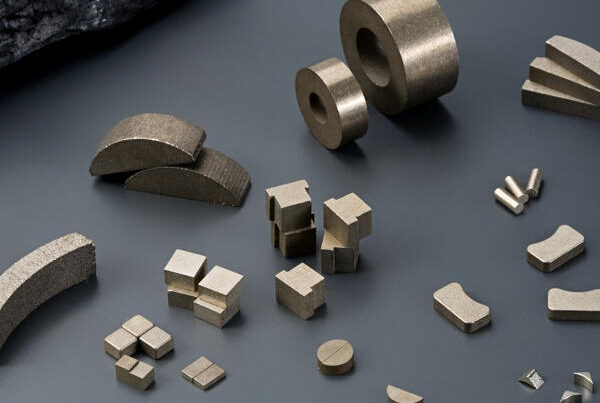

磁石 are essential functional materials widely used in electric motors, 再生可能エネルギーシステム, エレクトロニクス, オートメーション, 医療機器, and household appliances. With the rapid development of downstream industries, market demand for magnets continues to grow, while magnet prices often show noticeable fluctuations.
For buyers, manufacturers, and end-use companies, understanding the key factors that influence magnet pricing is critical for cost control and long-term procurement planning.
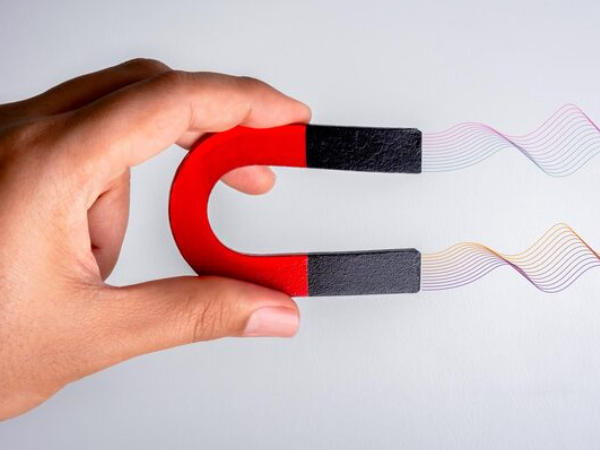
1. Raw Material Costs: The Fundamental Driver of Magnet Prices
1.1 Fluctuations in Rare Earth Raw Materials
For 高性能永久磁石 such as neodymium-iron-boron (ndfeb), rare earth elements are among the most decisive cost factors. Elements such as neodymium, プラセオジム, ジスプロシウム, and terbium play essential roles in magnet formulations, and their market prices are highly sensitive to supply-demand dynamics, government policies, and global geopolitical conditions.
When rare earth prices rise, production costs are quickly transferred to finished magnet prices. Conversely, when rare earth prices decline, magnet prices often experience temporary downward adjustments.
1.2 Costs of Other Metallic Materials
In addition to rare earth elements, metals such as iron, コバルト, ニッケル, and aluminum also affect magnet costs. 例えば, AlNiCo and ferrite magnets are more closely influenced by fluctuations in base metal prices. As a result, different magnet types exhibit distinct pricing patterns and cost sensitivities.
2. Magnet Type and Performance Grade
2.1 Price Differences Among Magnet Types
Common magnet categories include:
- ネオジム鉄ホウ素 (ndfeb) 永久磁石
- フェライト磁石
- Aluminum-nickel-cobalt (アルニコ) 磁石
- Samarium-cobalt (SMCO) 磁石
Among these, SmCo magnets and high-grade NdFeB magnets typically command higher prices due to their expensive raw materials and complex manufacturing processes. The choice of magnet type largely determines the overall cost range.
2.2 Influence of Magnetic Performance Grades
Within the same magnet category, higher performance grades generally result in higher prices. 例えば, で ネオジム磁石, products with high remanence, 高い保磁力, and enhanced high-temperature resistance require additional rare earth content or more advanced processing, leading to increased costs.
3. Manufacturing Processes and Production Costs
3.1 Process Complexity
Magnet manufacturing involves multiple steps, including material batching, powder preparation, forming, 焼結, 機械加工, and surface treatment. Magnets that require high precision and tight consistency standards demand stricter process control and higher yield management, directly increasing production costs.
3.2 Energy Consumption and Equipment Investment
Processes such as sintering and heat treatment operate at high temperatures and require substantial energy input. Fluctuations in energy prices—particularly electricity and natural gas—can have a long-term impact on magnet manufacturing costs and, consequently, on pricing.
4. Machining Precision and Customization Requirements
4.1 Dimensional Accuracy and Shape Complexity
Standard-size magnets are generally more cost-effective, while custom-designed magnets with strict dimensional tolerances, complex geometries, or special assembly requirements increase machining difficulty and production time, resulting in higher prices.
4.2 Surface Treatments and Protective Coatings
Different applications require varying levels of corrosion resistance. Common surface treatments include nickel plating, 亜鉛メッキ, epoxy coating, and specialized protective layers. These additional processes add to unit costs and affect final magnet pricing.
5. Market Supply-Demand Dynamics and Industry Cycles
5.1 Changes in Downstream Industry Demand
Rapid growth in industries such as electric vehicles, 風力, and industrial automation significantly increases demand for high-performance magnets. When demand surges in a short period, magnet prices often rise accordingly.
5.2 Industry Capacity and Inventory Levels
The magnet industry exhibits cyclical characteristics. When production capacity expands faster than market demand, pricing pressure may occur. Conversely, during periods of constrained capacity or low inventory, prices tend to rise.
6. Policy, Environmental, and Sustainability Factors
6.1 Impact of Environmental Regulations
As environmental regulations become more stringent, manufacturers must invest more in compliance measures such as wastewater treatment, dust control, and emission management. These additional compliance costs are eventually reflected in magnet pricing.
6.2 Sustainability and Recycling Considerations
近年では, permanent magnet recycling and reuse have gained increasing attention. While recycled magnets can help alleviate raw material pressure, initial investments in recycling technologies and infrastructure also influence cost structures.
7. Logistics, Exchange Rates, and International Trade Environment
7.1 Logistics and Transportation Costs
Magnets are high-density products, and transportation costs represent a noticeable portion of total expenses. Fluctuations in international shipping rates, particularly ocean freight, directly affect export pricing.
7.2 Exchange Rates and Trade Policies
For export-oriented magnet manufacturers, exchange rate fluctuations and changes in trade policies play an important role in pricing strategies. Tariffs, trade barriers, and global market uncertainties can indirectly impact magnet prices.
結論
Magnet pricing is influenced by a complex combination of factors, including raw material costs, magnet types and performance grades, 製造工程, market supply-demand dynamics, policy environments, and international conditions. Understanding these factors enables companies to make more informed decisions in procurement, pricing, and long-term strategic planning.