
지능형 제조를 심층 자동화로 전환, 데이터화, 그리고 유연성, 소재 기술이 핵심 초석. Advanced magnetic materials, with their superior magnetic properties, 안정, and multifunctionality, have become the core carrier connecting intelligent devices, sensing systems, and energy management, injecting strong momentum into intelligent manufacturing from dimensions such as production efficiency, equipment upgrades, and energy optimization. This article will analyze their technical characteristics, core applications, and future trends, revealing the inherent logic driving industrial transformation.
나. Advanced Magnetic Materials: 그만큼 “Invisible Functional Carrier” of Intelligent Manufacturing
Advanced magnetic materials are high-performance systems formed by optimizing and innovating traditional magnetic materials. They mainly include four categories, precisely matching the “high precision, high stability, low energy consumption, and integration” requirements of intelligent manufacturing:
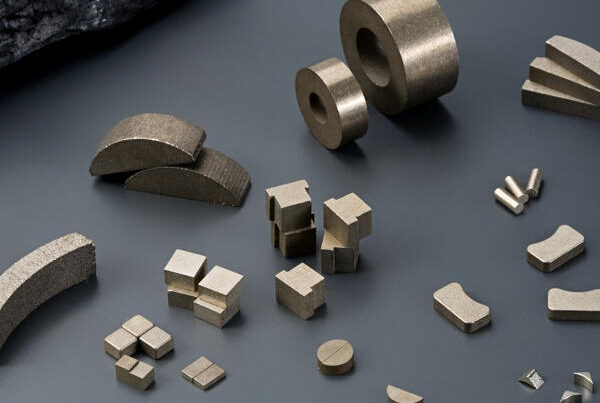
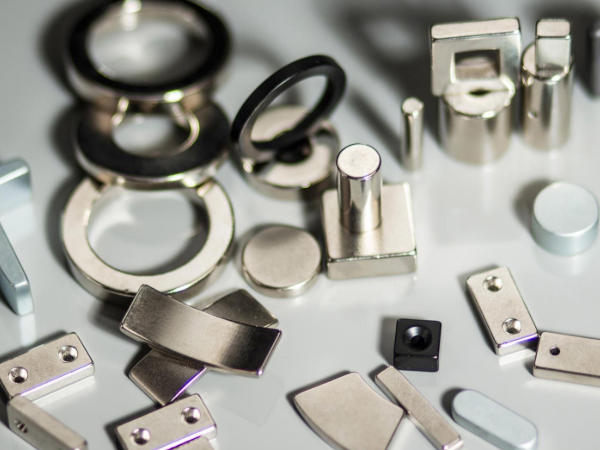
Rare Earth Permanent Magnet Materials: Represented by neodymium iron boron and samarium cobalt, their magnetic energy product is far higher than that of traditional ferrites. They can generate strong magnetic fields in confined spaces, providing power for high-precision motors and servo systems.
Soft Magnetic Composite Materials: Made through powder metallurgy, they have high permeability and low loss, are compatible with high-frequency alternating magnetic fields, and are core materials for intelligent sensing and wireless charging.
Magnetic Thin Film Materials: With thicknesses ranging from nanometers to micrometers, they can be integrated with chips and circuit boards, supporting the miniaturization of micro-sensors and magnetic storage devices.
Magnetostrictive Materials: Capable of converting magnetic energy into mechanical energy, they offer fast response and high precision, suitable for precision actuators and vibration monitoring equipment.
II. Core Applications of Advanced Magnetic Materials in Intelligent Manufacturing
1. Intelligent Equipment: Enhancing Precision and Reliability
The performance of intelligent equipment relies on advanced magnetic materials. Industrial robots use permanent magnet synchronous motors made of rare-earth permanent magnet materials, which can precisely control the angle and speed of the robotic arm to meet the needs of precision assembly and welding. In intelligent machine tools, soft magnetic composite materials are used in the spindle motor core to reduce iron loss and improve the stability of continuous operation. Magnetostrictive displacement sensors can also monitor the tool position in real time and dynamically compensate for errors to improve machining accuracy.
2. Sensing and Detection: Building a “Neural Network”
Magnetic sensors are the “sensory core” of intelligent manufacturing. Their performance relies on advanced magnetic materials. Giant magnetoresistive sensors based on magnetic thin films have a sensitivity far higher than traditional Hall sensors, which can accurately detect tiny cracks in metal workpieces, improve the detection efficiency of automotive parts production lines, and reduce errors. In logistics and warehousing, magnetic tags made of rare-earth permanent magnet materials, combined with magnetic sensors, can locate and track goods in real time, improving sorting efficiency and shortening inventory time. In industrial environmental monitoring, soft magnetic composite electromagnetic sensors can detect magnetic field fluctuations in equipment, provide early warning of faults, and reduce equipment failure rates and maintenance costs.
3. Energy Management: Achieving “Green and Low-Carbon”
Advanced magnetic materials facilitate energy optimization in intelligent manufacturing. In new energy power supply systems, rare-earth permanent magnet materials are used in photovoltaic inverters and wind power converters to reduce power conversion losses and significantly save factory energy consumption. In the field of wireless power supply, the combination of magnetic thin films and soft magnetic composite materials powers mobile robots and AGVs on intelligent assembly lines, eliminating the need for cable connections, expanding the range of equipment movement, improving production line flexibility, and avoiding the risks of cable wear.
4. Data Storage and Transmission: Ensuring “Smooth Data Flow”
Intelligent manufacturing’s “data-driven” nature relies heavily on advanced magnetic materials. In industrial data storage, magnetic thin film materials increase hard disk drive storage density, meeting the long-term storage needs of massive production data. Magnetoresistive random access memory (MRAM) possesses non-volatility and fast read/write characteristics, and can be used for industrial controller caching to ensure that critical data is not lost after power failure. In industrial communication, filters and inductors made of soft magnetic composite materials reduce electromagnetic interference, ensure stable 5G and industrial Ethernet signals, reduce data transmission error rates, and ensure the real-time and accurate transmission of production instructions and testing data.
III. Advanced Magnetic Materials Driving the Future Trend of Intelligent Manufacturing
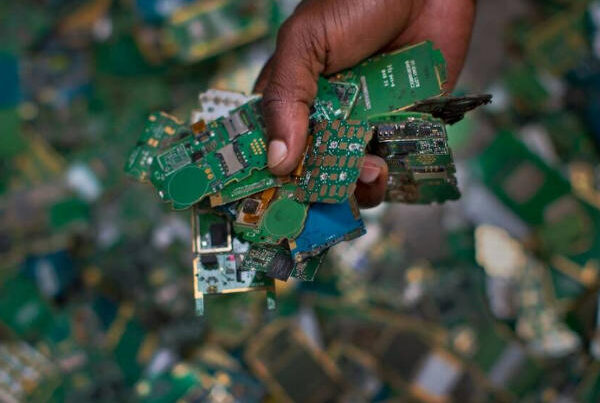
With the development of intelligent manufacturing, advanced magnetic materials are moving towards “higher performance, greater integration, and greener practices”: In terms of performance, rare-earth permanent magnet materials, through rare-earth doping and nano-design, can improve magnetic energy product and temperature resistance, adapting to high-temperature industrial environments. Soft magnetic composite materials are achieving breakthroughs in high frequency and low loss, supporting 6G and millimeter-wave radar applications. Regarding green practices, rare-earth-free permanent magnet materials (such as iron-nitrogen based materials) can reduce costs and resource dependence. Rare-earth permanent magnet recycling technology has been industrialized, contributing to low-carbon development throughout the entire lifecycle of intelligent manufacturing.
Advanced magnetic materials have been deeply integrated into all aspects of intelligent manufacturing, serving as a key support for improving efficiency, ensuring reliability, and achieving low carbon emissions. With continuous technological breakthroughs, they will further break through technological bottlenecks, driving the industry towards higher precision, greater flexibility, and greater intelligence, becoming the core engine for the upgrading of intelligent manufacturing.