
영구 자석 are critical functional materials in modern industrial systems and are widely used in motors, 재생 에너지 장비, automotive electronics, 의료 기기, 산업 자동화, and consumer electronics. The stability, consistency, and reliability of permanent magnets directly affect the efficiency, 안전, and service life of end products. 그러므로, selecting a high-quality permanent magnet supplier is not only a purchasing decision but also an important technical and strategic decision. This article provides a systematic analysis of how to scientifically evaluate and select a reliable permanent magnet supplier.
1. Clearly Define Application Requirements Before Supplier Selection
Before choosing a 영구 자석 공급 업체, companies must clearly understand their actual application requirements. Different applications place very different demands on magnetic performance, dimensional accuracy, and environmental adaptability. Without clearly defined requirements, supplier selection and technical communication often require repeated adjustments.
예를 들어, high-speed motors focus more on coercivity and high-temperature resistance, while consumer electronics prioritize dimensional precision and cost control. High-quality permanent magnet suppliers typically take the initiative to understand the customer’s operating conditions and recommend appropriate materials and grades based on the application scenario, rather than simply offering standard products.
2. Evaluate Core Technical Expertise and R&D Capability
영구 자석 are highly dependent on material composition and process control. A supplier’s technical strength and R&D capability largely determine the upper limit of product performance. Suppliers with strong R&D capabilities generally demonstrate better consistency in magnetic properties, batch stability, and customization for special requirements.
아르 자형&D capability is also reflected in the supplier’s ability to understand and respond to emerging applications. In scenarios involving high temperatures, low losses, or high reliability, technically driven suppliers can optimize material formulations and manufacturing processes to help customers solve real engineering challenges, rather than relying on off-the-shelf solutions.
3. Assess the Completeness of the Quality Management System
The production of permanent magnets involves multiple critical stages, including powder preparation, forming, sintering, machining, and surface treatment. Any lack of control in these processes can negatively impact final performance. 그러므로, a robust quality management system is one of the most important indicators of supplier reliability.
High-quality suppliers typically hold standardized certifications such as ISO 9001 그리고 IATF 16949 (for the automotive industry). More importantly, they maintain comprehensive process monitoring and data recording systems, with complete incoming material inspection, in-process control, and final inspection procedures. This ensures batch traceability and high consistency in magnetic performance, dimensional tolerances, and appearance—especially critical for long-term and high-volume cooperation.
4. Raw Material Sourcing and Material Stability
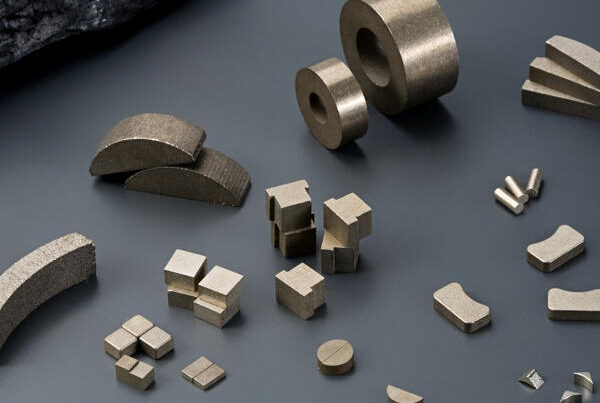
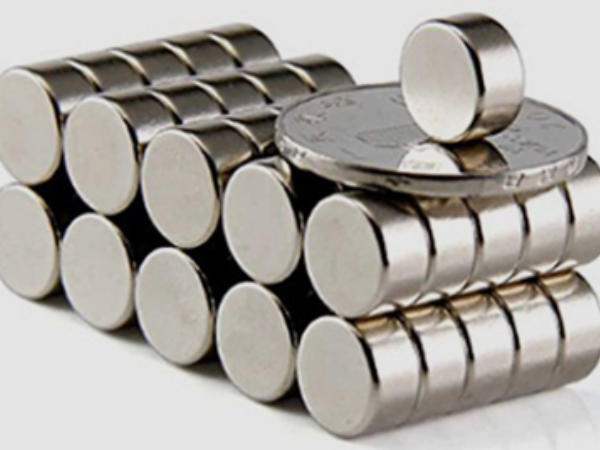
영구 자석, particularly NdFeB and SmCo magnets, are extremely sensitive to raw material purity and compositional accuracy. Unstable raw material quality often leads to fluctuations in magnetic performance, reduced service life, or even premature failure.
Reliable suppliers typically have stable raw material sourcing channels and strict controls over key rare earth elements and impurity levels. This not only ensures consistent product performance but also helps maintain stable supply during periods of raw material market volatility.
5. Manufacturing Capability and Delivery Reliability
Manufacturing capability is reflected not only in production capacity but also in process completeness and production coordination. Mature permanent magnet suppliers usually possess integrated manufacturing capabilities, covering forming, sintering, precision machining, and surface treatment. This reduces quality risks associated with excessive outsourcing.
게다가, stable production planning and delivery reliability are critical to customers’ project schedules and inventory management. Suppliers with flexible manufacturing systems are better equipped to support prototype development, small-batch trials, and subsequent large-scale production.
6. Surface Treatment and Environmental Resistance
In real-world applications, permanent magnets are often exposed to high temperatures, 습기, or corrosive environments. Without adequate surface protection, magnets that meet magnetic performance specifications may still fail prematurely in service.
Professional permanent magnet suppliers are usually able to provide a variety of surface treatment options based on application conditions and validate coating adhesion, salt spray resistance, and aging performance. This capability is especially important for automotive, 재생 가능 에너지, and industrial equipment applications.
7. Technical Support and Communication Capability
Permanent magnets are not entirely standardized products, and many applications require repeated communication and optimization during the design phase. 그러므로, a supplier’s technical service capability is equally important.
High-quality suppliers respond quickly to technical inquiries and communicate in professional, engineering-oriented language, helping customers understand material characteristics, failure risks, and optimization strategies. Effective technical communication can significantly reduce development costs and project risks.
8. Industry Experience and Customer References
A supplier’s experience in specific industries often indicates that its products have been validated under real operating conditions. Suppliers with mature customer references usually have a deeper understanding of industry standards, common challenges, and potential risks.
This accumulated experience helps customers avoid design or material selection errors early in the project, improving overall development efficiency and product reliability.
9. Comprehensive Evaluation with a Long-Term Partnership Perspective
Selecting a permanent magnet supplier should be based on a long-term cooperation perspective rather than focusing solely on short-term pricing. Excessive emphasis on low prices often results in quality issues, delivery risks, or insufficient technical support later.
By evaluating overall cost-performance, technical support capability, and long-term stability, companies can choose suppliers with sustainable delivery capacity and a strong willingness to cooperate—supporting long-term business growth.
결론
에이 high-quality permanent magnet supplier is a key safeguard for product quality and market competitiveness. By systematically evaluating technical expertise, quality management systems, material stability, manufacturing capability, and service level, companies can effectively reduce supply risks and enhance product reliability. Against the backdrop of rapid growth in high-end manufacturing and renewable energy industries, scientifically selecting permanent magnet suppliers has become a critical competitive factor that should not be overlooked.
To learn more information,you can visit our website:https://jlmag-innovation.com/
TEL: 181 7907 4071
EMAIL: sales01.jlmaginnovation@jlmag.com.cn