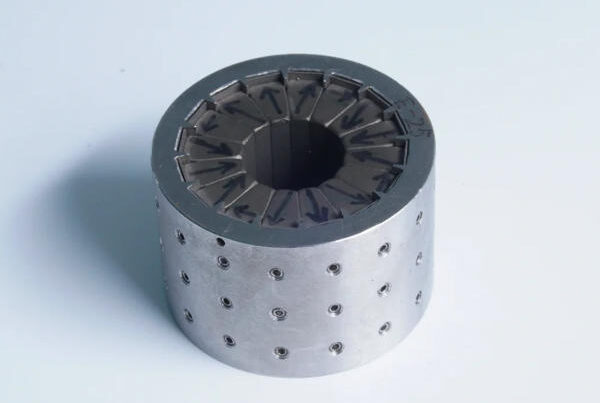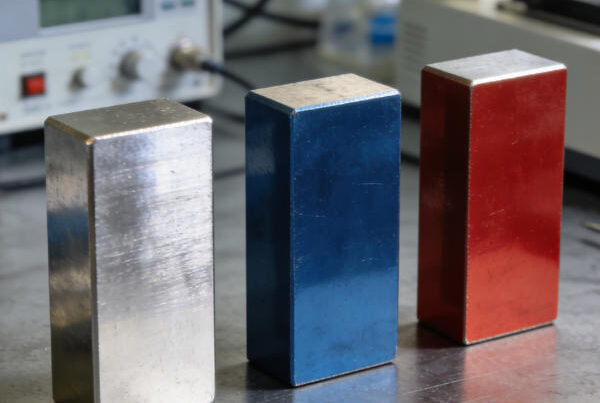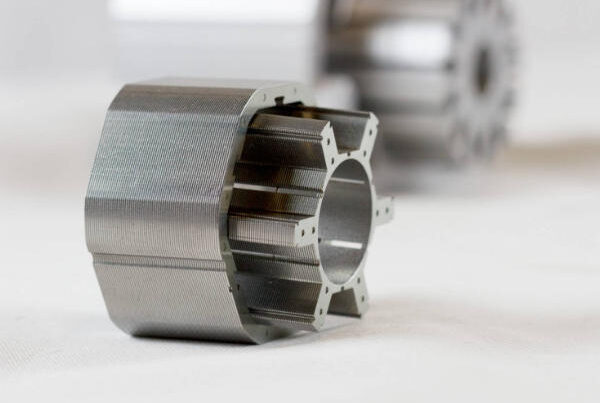

Permanent magnets are widely used in modern industries, including electric motors, sensors, medical equipment, renewable energy systems, and precision instruments. As global demand for high-performance magnetic materials continues to grow, many manufacturers and equipment suppliers choose to purchase permanent magnets in bulk to reduce costs and ensure stable supply. However, selecting the right magnets for wholesale procurement is not simply about comparing prices. It requires a comprehensive understanding of material properties, application environments, manufacturing quality, and supplier capabilities.
This article provides practical and scientific guidance on how to choose permanent magnets effectively when purchasing in bulk.

I. Understand Different Types of Permanent Magnet Materials
Before purchasing permanent magnets, it is essential to understand the characteristics of the main magnetic materials available in the market. Different materials offer different performance levels and application suitability.
1. Neodymium Iron Boron (NdFeB) Magnets
NdFeB magnets are currently the strongest type of commercially available permanent magnets. They have extremely high magnetic energy products and excellent magnetic performance, making them ideal for applications requiring strong magnetic fields in compact spaces.
Common applications include electric motors, hard disk drives, wind turbines, and consumer electronics. However, NdFeB magnets have relatively poor corrosion resistance and temperature stability, so they usually require protective coatings such as nickel, zinc, or epoxy.
2. Samarium Cobalt (SmCo) Magnets
Samarium cobalt magnets belong to the rare-earth magnet family and are known for their excellent thermal stability and corrosion resistance. They can maintain stable magnetic properties even at temperatures above 300°C.
Although SmCo magnets are more expensive and slightly more brittle than NdFeB magnets, they are widely used in aerospace systems, high-temperature motors, military equipment, and precision instruments.
3. Alnico Magnets
Alnico magnets are composed mainly of aluminum, nickel, and cobalt. They offer excellent temperature stability and good corrosion resistance without the need for additional coating.
However, their magnetic strength is significantly lower than that of rare-earth magnets. Alnico magnets are commonly used in sensors, measuring devices, electric guitars, and certain industrial equipment.
Understanding the differences between these materials helps buyers select magnets that match their specific application requirements.
II. Evaluate Magnetic Performance Parameters
When purchasing permanent magnets in bulk, it is important to evaluate key magnetic parameters rather than relying solely on product descriptions.
1. Magnetic Energy Product (BHmax)
The maximum energy product represents the maximum magnetic energy stored in the magnet. A higher BHmax value indicates stronger magnetic performance and more compact magnetic circuit designs.
2. Coercivity
Coercivity refers to the magnet’s resistance to demagnetization. High coercivity magnets are essential in environments with strong opposing magnetic fields or high temperatures.
3. Remanence (Br)
Remanence describes the remaining magnetism in a magnet after the external magnetizing field is removed. Higher remanence results in stronger magnetic field output.
By carefully comparing these parameters, buyers can ensure the magnets meet the required performance standards.
III. Consider the Application Environment
The working environment has a significant impact on the long-term performance and reliability of permanent magnets.
1. Temperature Conditions
Different magnetic materials have different maximum operating temperatures. NdFeB magnets typically operate below 200°C depending on grade, while SmCo magnets can tolerate much higher temperatures.
If magnets are used in high-temperature environments such as motors, industrial heating equipment, or aerospace systems, temperature stability must be carefully evaluated.
2. Corrosion and Humidity
Magnets exposed to humid or corrosive environments may degrade over time. In such cases, magnets with protective coatings or inherently corrosion-resistant materials such as SmCo should be selected.
3. Mechanical Stress
Some magnetic materials are brittle and sensitive to mechanical impact. For applications involving vibration or mechanical shock, appropriate structural design or protective housings may be required.
IV. Verify Manufacturing Precision and Quality Control
Bulk purchases require strict attention to manufacturing quality and dimensional accuracy.
1. Dimensional Tolerance
High-precision applications such as motors, sensors, and medical devices require tight dimensional tolerances. Buyers should confirm tolerance standards and measurement capabilities with suppliers.
2. Surface Treatment
Surface coatings not only improve corrosion resistance but also affect durability and appearance. Common coatings include nickel plating, zinc plating, epoxy coating, and gold plating.
3. Magnetic Consistency
Consistency between magnet batches is critical in industrial applications. Reliable manufacturers should provide magnetic testing reports and quality certifications to ensure uniform performance.
V. Evaluate Supplier Capability and Reliability
Selecting a trustworthy supplier is just as important as selecting the right magnet material.
1. Production Capacity
Suppliers should have sufficient production capacity and stable raw material supply to support large-scale orders without delays.
2. Technical Support
Experienced manufacturers can provide engineering guidance, including magnetic circuit design, material selection, and performance optimization.
3. Certification and Compliance
Suppliers with international certifications such as ISO quality management systems demonstrate better reliability and quality control standards.
VI. Balance Cost and Performance
While price is an important factor in wholesale procurement, focusing solely on the lowest price may lead to long-term risks such as inconsistent quality or premature failure.
Buyers should evaluate the total value of the product, including magnetic performance, durability, reliability, and supplier service. In many cases, magnets with slightly higher initial cost can provide better long-term performance and reduce maintenance or replacement expenses.
Conclusion
Purchasing permanent magnets in bulk requires a comprehensive understanding of magnetic materials, performance parameters, environmental conditions, manufacturing quality, and supplier reliability. By carefully evaluating these factors, buyers can select the most suitable magnets for their applications and ensure stable performance over the long term.
With the growing demand for advanced magnetic technologies across industries, adopting a scientific and systematic procurement strategy is essential for achieving both technical efficiency and cost effectiveness.