
Rotor-type magnetic assemblies are core components in electric motors, 发电机, magnetic sensors, and other electromechanical systems. These assemblies, which consist of the rotor core, 永磁体, and supporting structures, directly affect device efficiency, torque density, and operational reliability. Achieving high performance requires advanced precision machining technologies to ensure dimensional accuracy, 磁性能, and structural stability. This article provides a detailed overview of the scientific principles, material properties, and machining technologies used in manufacturing rotor-type magnetic assemblies.
我. Overview of Rotor-Type Magnetic Assemblies
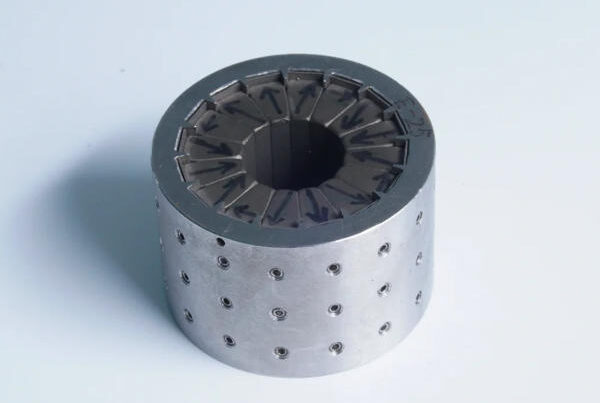
Rotor-type magnetic assemblies generally include the following parts:
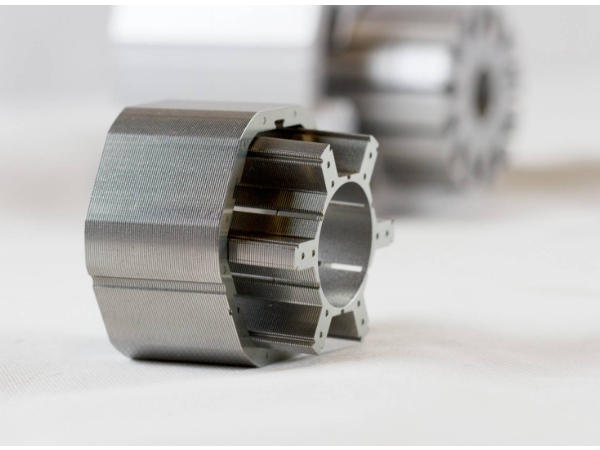
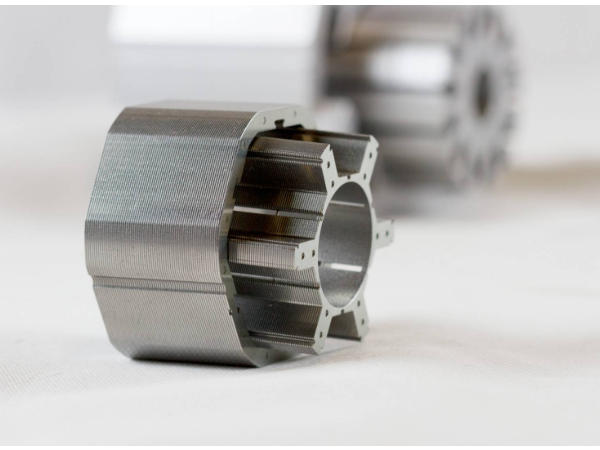
- Rotor Core: Typically made from laminated electrical steel or soft magnetic composite (SMC) materials, the rotor core serves as the primary magnetic flux path. Its geometry directly impacts magnetic efficiency and torque characteristics. Inaccurate core machining can lead to uneven flux distribution, reduced motor efficiency, and increased vibration and noise.
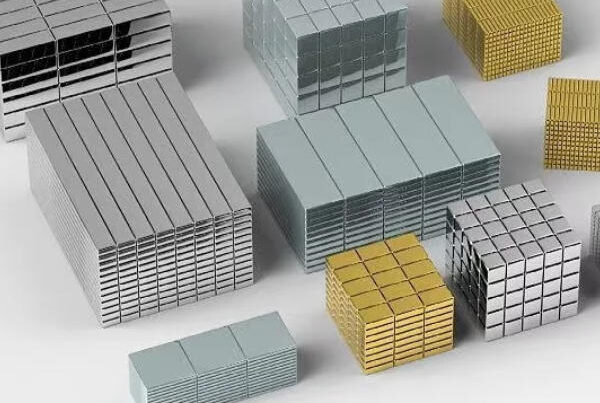
- 永久磁铁: Commonly used materials include neodymium-iron-boron (ndfeb) and samarium-cobalt (SMCO) magnets due to their high energy density. The arrangement, polarity, and bonding method of the magnets significantly affect rotor magnetic performance and operational stability.
- Supporting Structures: Non-magnetic materials, such as stainless steel or aluminum, provide mechanical integrity and rotational balance. These structures must be precisely coordinated with the rotor core and magnets to ensure stable high-speed rotation and low vibration.
Rotor-type magnetic assemblies are widely used in high-speed, high-precision applications, 例如电动汽车电动机, aerospace propulsion systems, and industrial servo motors, which places extremely high demands on manufacturing precision and reliability.
二. Key Materials in Rotor Magnetic Components
Material selection influences both magnetic performance and machinability:
1. Laminated Electrical Steel
Offers low core loss and high permeability.
Requires precise stamping and stacking to maintain uniform thickness and air gap accuracy.
Grain-oriented or non-oriented steel affects flux path efficiency and torque characteristics; the former is preferred for DC or high-efficiency applications, while the latter suits multi-directional flux paths.
2. Soft Magnetic Composites (SMC)
Made from iron powder and insulating binders, ideal for complex magnetic circuits.
Can be formed using isostatic pressing or injection molding to reduce eddy current losses.
Careful control of powder density and internal stress is required to prevent cracks that could degrade magnetic performance.
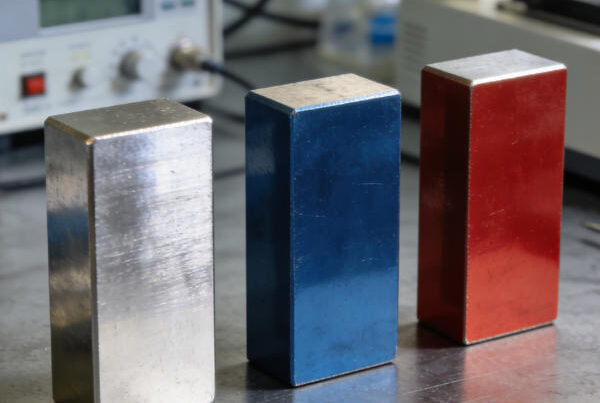
3. Permanent Magnetic Materials
ndfeb offers high magnetic performance but is brittle and prone to chipping.
SmCo is highly heat-resistant but more expensive and harder to machine.
永久磁铁 typically require precision cutting, grinding, and laser marking to maintain dimensional and magnetic consistency.
三、. Core Precision Machining Technologies for Rotor Assemblies
Manufacturing rotor-type magnetic assemblies involves multiple precision machining stages, including mechanical processing, magnet assembly, and quality inspection.
1. Precision Machining of the Rotor Core
Stamping and Laminating: High-precision stamping ensures dimensional tolerance within 0.01–0.02 mm. Laminating fixtures must maintain uniform pressure and alignment to avoid magnetic flux deviation.
Grinding and Turning: Precision grinding of shaft holes, end faces, and teeth ensures proper fits and rotational balance.
Deburring and Surface Treatment: Removal of burrs and application of insulation coatings reduce core loss and noise.
2. Permanent Magnet Processing and Assembly
Cutting and Grinding: Diamond saws or grinding machines are used to achieve precise magnet dimensions without damaging magnetic properties.
Polarity Verification: Hall sensors or magnetometers ensure correct magnet orientation.
Bonding and Fixing: High-strength structural adhesives or thermosetting adhesives are used to secure magnets, followed by curing and clamping to prevent detachment during high-speed rotation.
3. Dynamic Balancing and Quality Inspection
Dynamic Balancing: High-speed balancing machines detect rotor imbalance; fine adjustments are made to ensure smooth rotation at high speed.
Magnetic Performance Testing: Flux meters or magnetic field scanners measure flux distribution to guarantee torque output and efficiency stability.
Dimensional and Tolerance Inspection: Coordinate measuring machines (CMM) check shaft holes, teeth, and overall dimensions to ensure compliance with design specifications.
四号. Common Issues in Precision Machining and Solutions
-
Core Laminations Misalignment or Warping
Solution: Optimize stamping die and use uniform pressure lamination fixtures.
-
Magnet Cracking or Detachment
Solution: Reduce machining stress, use specialized cutting tools, and high-strength adhesives.
-
High-Speed Vibration or Noise
Solution: Strict dynamic balancing, 优化磁路设计, and minimized magnetic imbalance.
-
Uneven Magnetic Performance
Solution: Magnet sorting, polarity verification, and uniform adhesive bonding to ensure consistent magnetic fields.
V. Future Trends in Precision Machining of Rotor Assemblies
-
Automated Assembly and Robotic Machining
Enhances assembly precision and efficiency while reducing human error.
-
Nano Coatings and Surface Modification
Improves core insulation, reduces losses, and enhances corrosion resistance.
-
Simulation and Digital Twin Technologies
Allows magnetic field and structural simulation before machining to optimize design and manufacturing parameters.
-
Advanced Inspection Equipment
3D laser scanning, magnetic imaging, and high-speed dynamic balancing technologies further improve rotor assembly reliability and consistency.
六、. 结论
Precision machining of rotor-type magnetic assemblies involves material selection, mechanical processing, magnet assembly, dynamic balancing, and quality inspection. By employing high-precision stamping, grinding, magnet bonding, and automated assembly technologies, manufacturers can ensure dimensional accuracy, magnetic performance stability, and structural reliability. With the advancement of automation, nanomaterials, and digital simulation, the precision and efficiency of rotor assembly production will continue to improve, providing high-performance and reliable magnetic solutions for electric vehicles, industrial motors, 航天, and other advanced electromechanical applications.